FrontStreet Coffee found the following content related to "cocoa powder" for you
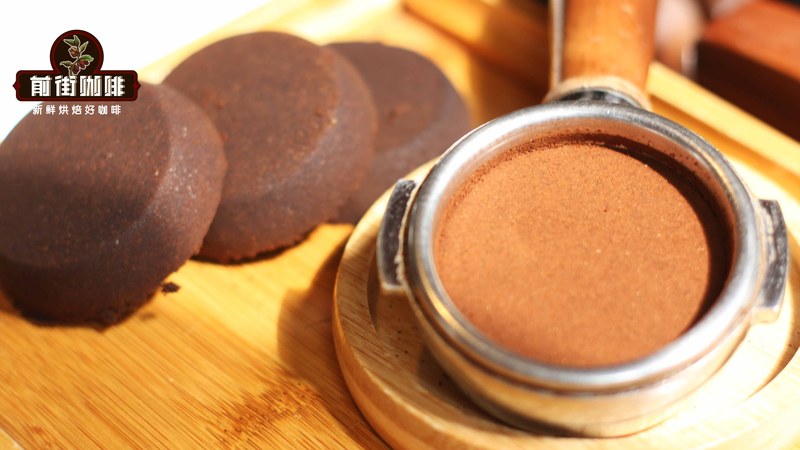
If you want to drink Yirgacheffe, but prefer a round, soft and less sour taste, you can put the "acidity" back into the specific drinking method to judge. Yirgacheffe often has floral, citrus or berry tones, but through medium-dark roasting, higher sweetness and thicker taste, it can also show a milder and smoother side. The key is to choose the right wind.
Read more →
The coffee brewed by the Moka pot has a higher concentration and concentrated aroma. It can be drank directly, or added with water, milk or ice cubes. When choosing beans, you might as well imagine when they will appear: when you are rushing to go out, you want them to be clear and crisp; when you want to have breakfast, you want them to be soft and smooth; if you want to drink iced coffee in the afternoon, you need to pay attention to the sweetness of the coffee liquid after it cools down.
Read more →
The flavor focus of dark roasted coffee beans usually shifts from bright fruit acid to cocoa, nuts, caramel and roasted aromas, giving it a heavier mouth feel. It does not mean that only the bitter taste is left. The origin of the beans, the blending ratio and the extraction method will all affect the result. Choose according to how you drink it every day, so that this thick style can become smooth and drinkable.
Read more →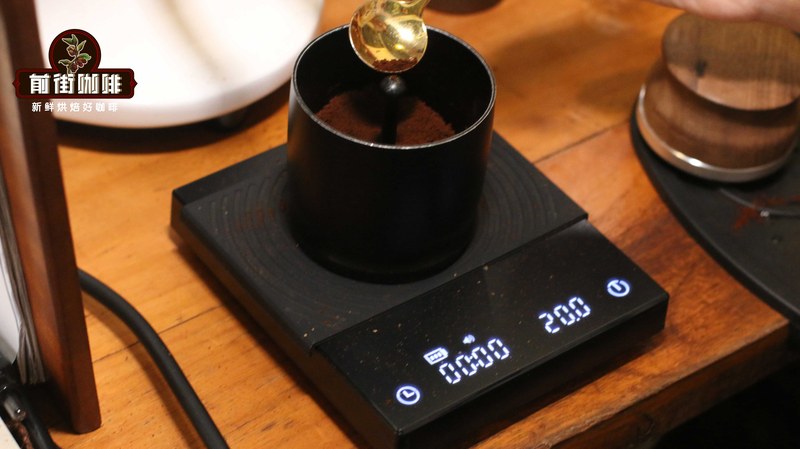
The coffee brewed by the Moka pot has a higher concentration, which is suitable for concentrating the sweetness, thickness and aroma of a bean. Drinking methods are different every day, and the idea of selecting beans can also change accordingly: clean and smooth black coffee is suitable for morning, hot drinks with nutty sweetness are suitable for breakfast, iced Americano can be made in the afternoon, and milk can be used to soften the taste in the evening. First
Read more →
Mellowness does not mean heavy bitterness, nor does it mean that the darker the roast, the thicker it will be. It is closer to the weight, smoothness and duration that coffee leaves on the tongue, and often appears together with flavors such as nuts, cocoa, caramel, and herbs. If you want your coffee to taste solid and have a soft sour taste, you can consider the drinking time, whether to add milk, and the time at home.
Read more →
A cup of coffee goes through grinding and extraction from the bean to the mouth. When looking at Italian specialty coffee beans, it is more straightforward to first think about the flavor you want to have in the cup than to start with the name on the package. First confirm the commonly used utensils and the taste you like, and then compare the specific beans. The actual operation will be more directional. Flavor words do not represent coffee
Read more →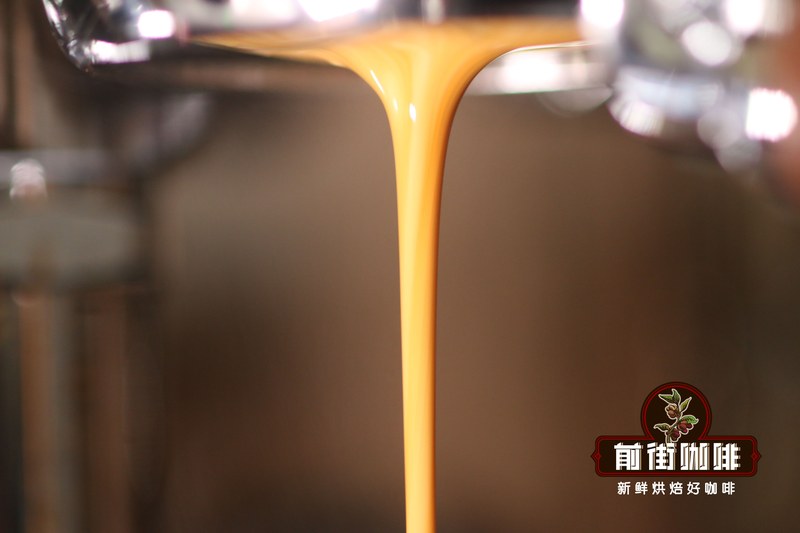
Hand-brewed coffee does not necessarily have obvious acidity. Nuts, cocoa, caramel and soft sweetness can also support a cup of long-lasting black coffee. If you prefer a round, smooth taste with a less sharp finish, you can start with medium to medium-dark roasted beans, and then make arrangements based on your state after waking up, during work breaks, or for slow drinking on weekends.
Read more →
Coffee beans with a nutty cocoa flavor usually give people a mild, sweet, and thick impression, and are suitable for daily cups that do not want to be disturbed by sharp acidity. It makes a refreshing black coffee and goes well with milk, syrup or breakfast snacks. When choosing, you can first imagine when you will drink it and what utensils you will use to make it, and then judge your needs.
Read more →
Hand-brewed coffee does not necessarily have to go the bright acid route. If you prefer a smooth, thick cup with a nutty and cocoa flavor, you can start with beans that are medium to medium-dark roasted, and then choose according to the scene such as morning, work break, weekend slow drinking or adding milk. The coffee selected in this way will have a flavor closer to daily life and will also
Read more →
Different appliances have different requirements for the same bean: a hand brewer focuses on whether the aroma is clear, an Italian machine focuses on concentration and sweetness, and a Moka pot's pressure, firepower, and powder layer must be coordinated. It is easy to go astray when selecting beans without the equipment, and the parameters need to be adjusted as the degree of roasting changes. In the Italian framework, powder volume, grinding degree, liquid weight and time
Read more →
The charm of dark roasted beans is that their aroma and taste are more present. The aroma of nuts, cocoa, caramel and roasting brought by roasting can make a cup of coffee appear full and stable. When choosing, you might as well imagine when it will appear: with breakfast, taking it to work, or drinking it slowly at home, and then decide whether you want it to be more round or round.
Read more →
The degree of roasting changes the flavor focus and extraction rhythm of the coffee beans. Light roasting usually retains more floral and fruity aromas and bright acidity, medium roasting tends to present sweetness and balance, and dark roasting tends to favor nuts, cocoa and thick taste. There is no distinction between them, the key is whether they match your drinking style. Italian extraction focuses on powder quantity and grinding
Read more →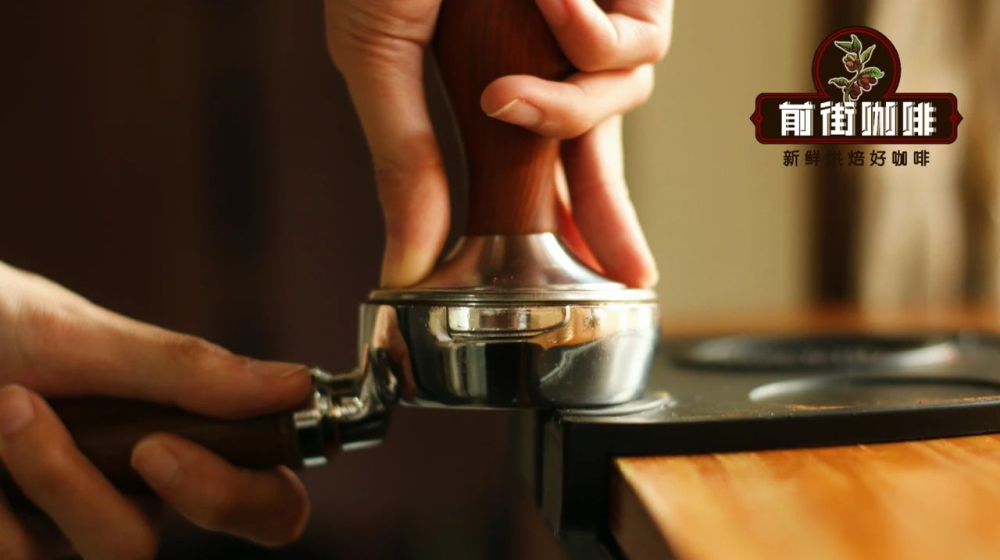
Before you want to figure out "the difference between Americano and latte", "Which coffee tastes less bitter, Americano or latte", "Which one tastes better, American black coffee or latte", etc., Front Street believes that everyone should first understand what espresso is. What the hell is espresso? espresso
Read more →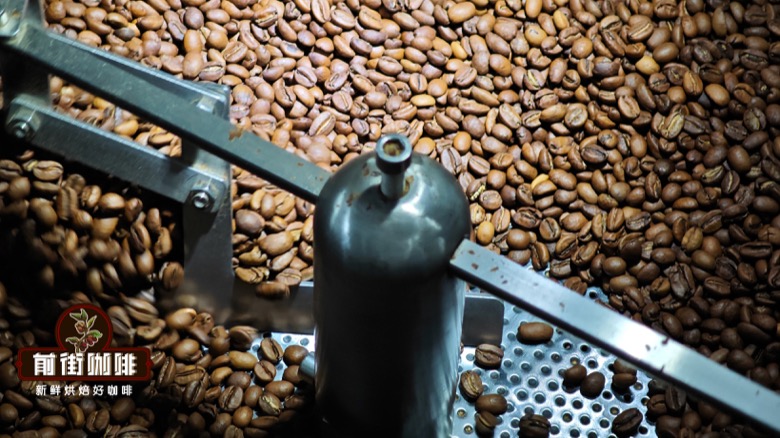
When you first start buying beans, you don’t have to go for a lot of flavor at once. A more practical approach is to first select a bean with a clear flavor profile and high compatibility with brewing methods, fix the amount of powder, grinding and water temperature, and then observe the changes in entrance, sweetness and finish. This way you can establish your own taste reference. Italian extraction focuses on powder quantity
Read more →
Beans have different appearances at different roasting levels: light roasting retains floral and fruity aromas and bright acidity, medium roasting reveals sweetness and balance, and dark roasting precipitates nuts, cocoa and thick taste. The extraction rhythm is also adjusted according to the roasting degree, and the selection criterion is the match with the drinking method. The Moka pot is a steam pressure appliance. The key to filling the powder is filling it.
Read more →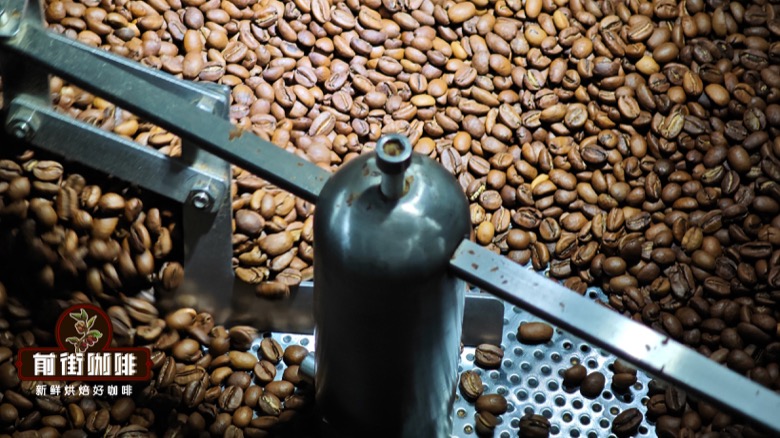
The flavor of a cup of coffee is not only sour or bitter, but also includes aroma, sweetness, body, mouth feel and finish. When choosing beans, first determine whether you want floral and fruity aromas, nutty cocoa, or a balance between the two, and then correspond to the production area, processing method and roasting level. Dark roasting will bring the flavor to cocoa and nuts
Read more →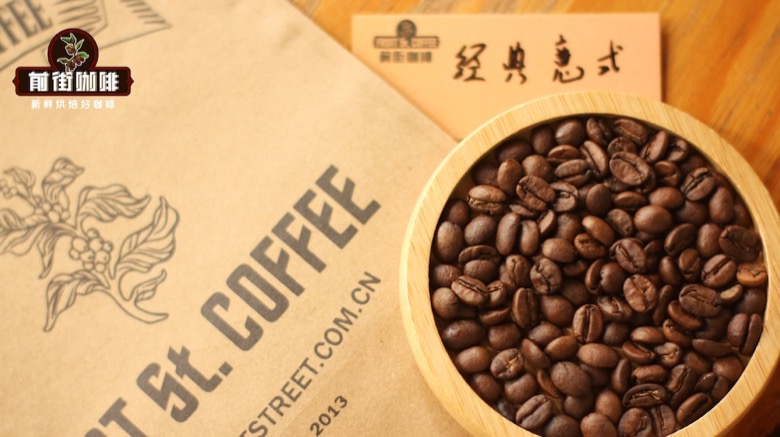
The flavor dimension of a cup of coffee goes far beyond the sour and bitter ends, including aroma, sweetness, body, mouth feel and finish. When choosing beans, first think clearly whether you want floral and fruity aromas, nutty cocoa, or a balance between the two, and then follow the production area, processing method, and roasting degree to match them. In Italian extraction, the amount of powder and grinding
Read more →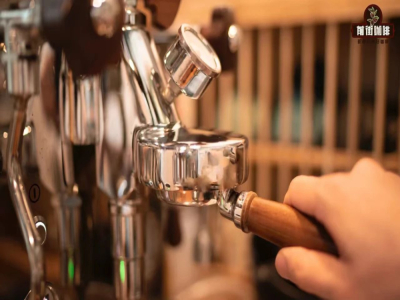
You may ask: What does double Espresso mean? How many milliliters is a standard espresso shot in a café? The process of making espresso? What's the best way to drink espresso? Or maybe you are curious: Where can you buy authentic Italian blended coffee beans? Commonly used in cafes
Read more →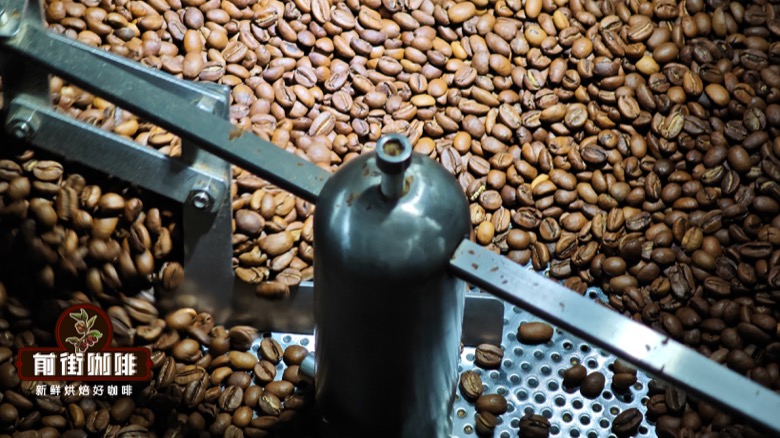
When you first start buying beans, you don’t have to go for a lot of flavor at once. A more practical approach is to first select a bean with a clear flavor profile and high compatibility with brewing methods, fix the amount of powder, grinding and water temperature, and then observe the changes in entrance, sweetness and finish. This way you can establish your own taste reference. Italian extraction focuses on powder quantity
Read more →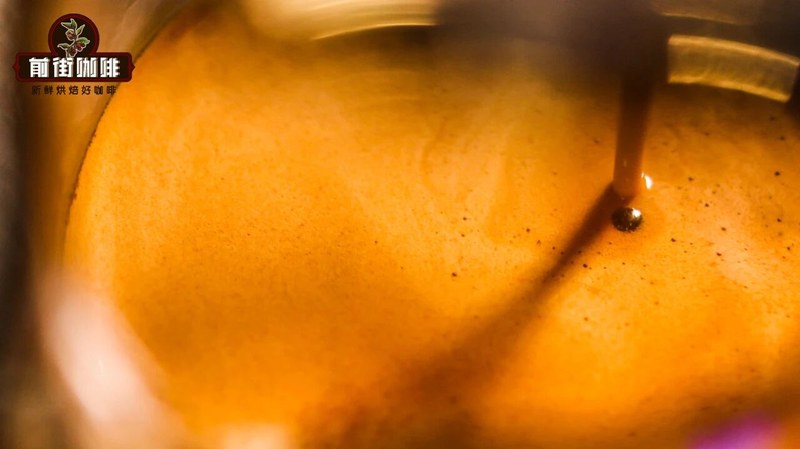
The same beans are cooked by hand, espresso machine, and moka pot respectively. The difference in the results is clear at a glance: hand brewing is better in aroma and clarity, espresso machine is better in concentration and sweetness, and moka pot tests the control of pressure, firepower and powder layer. The bean selection should be combined with the equipment, and the parameters should be based on the roasting degree. Italian extraction is based on powder measurement and grinding
Read more →Be the first to know about new bean releases, brewing tips, promotions and cupping notes

Scan to Follow Front Street Coffee on WeChat
